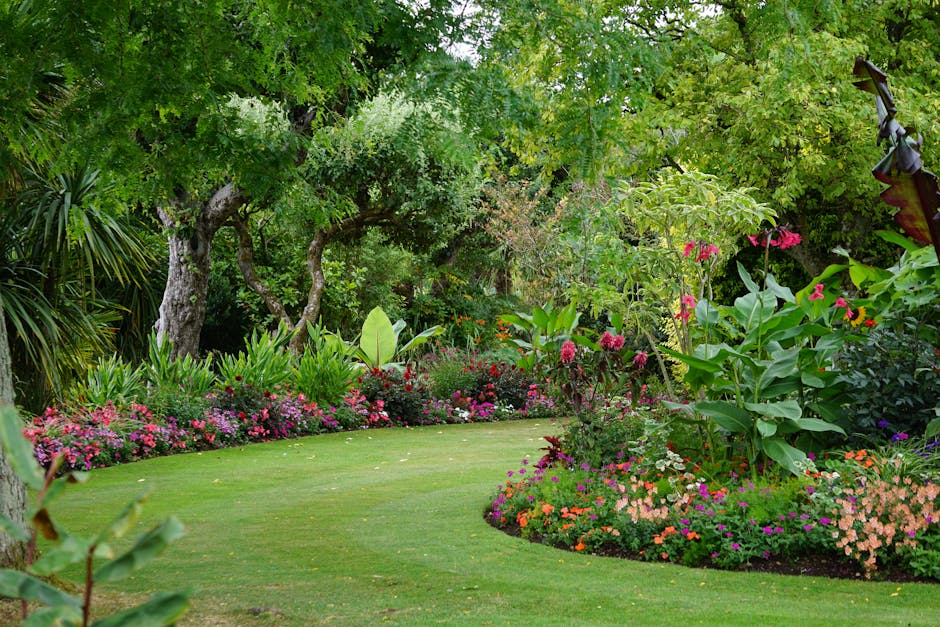
Garden Maintenance in Barnet

Garden Maintenance Barnet provides regular outdoor care for gardens that need tidy, practical upkeep through the seasons. Our main service covers routine maintenance tasks that keep lawns, borders, hedges and planted areas under control, with work planned around the condition of the garden rather than a one-size-fits-all approach. If your outside space needs consistent attention, we can help keep it neat, usable and easier to manage.
We focus on the jobs that shape the overall look and health of a garden: cutting back growth, keeping grass at a sensible height, clearing debris and maintaining the structure of planting areas. That can suit front gardens, rear gardens, shared spaces and properties where work has built up over time. For a broader view of what is available, you can also see our services overview and compare the main maintenance options.
If you already know the work that needs doing, you can request a quotation or simply get in touch with a short description of the garden and the tasks required.
Routine garden care that keeps everything manageable

Regular garden maintenance is usually about preventing small tasks from turning into larger ones. Overgrown edges, untidy beds and missed mowing can quickly change the feel of a property, so a steady schedule is often more useful than occasional catch-up work. Our approach is to keep the garden in sensible order, making sure the main features remain clean, accessible and presentable without overworking areas that do not need it.
Typical maintenance can include mowing, trimming and general tidying across the parts of the garden that show wear first. It may also involve sweeping up cuttings, removing light garden waste and restoring a clearer shape to paths, borders and lawn edges. Where planting is established, we work carefully so that maintenance supports the layout rather than disturbing it. Lawn mowing is often part of that routine, especially where regular grass cutting makes the biggest difference to appearance.
Because every garden grows differently, the right maintenance plan depends on the size of the space, how quickly things grow and which areas need the most attention. Some gardens need frequent grass cutting and edging, while others need a heavier seasonal tidy with less frequent visits. If you are deciding what to prioritise, it helps to think about the visible areas first, then the work that supports them behind the scenes. Useful maintenance is usually the work that keeps the whole space balanced, not just one section.
Grass cutting, edging and lawn attention
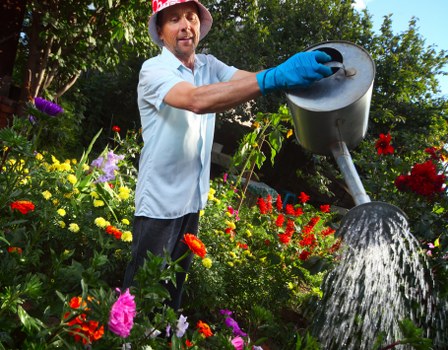
Lawns often set the tone for the rest of the garden, so a clean cut and defined edges can make a noticeable difference. Our maintenance service can include mowing to the appropriate level for the grass condition, followed by edging where needed to sharpen the boundary between lawn, beds and paths. That gives the garden a more ordered finish and helps stop the space looking neglected even when planting is otherwise in good condition.
Where lawns have become patchy or uneven, mowing still needs care. Cutting too short can leave grass stressed, while leaving it too long can make the area look heavy and untidy. The right approach depends on the season, growth rate and the amount of use the garden receives. We aim for a practical finish that supports future upkeep, rather than a temporary result that is difficult to maintain. If the lawn is only one part of a wider job, our garden maintenance service can be planned around the whole space rather than the grass alone.
Edge definition, regular cutting and sensible tidy-up work are especially helpful around driveways, paths and front gardens where the first impression matters. They also help make the space feel less cluttered, which can be important if the garden has narrow sections or mixed planting. When the lawn is one element within a broader scheme, this work can be paired with trimming and clearing so the whole garden reads as one well-kept area.
Hedge trimming, shaping and boundary control

Hedges and boundary shrubs often grow faster than people expect, and once they lose shape they can dominate the rest of the garden. Trimming is not only about appearance; it also helps keep pathways open, reduces encroachment into seating or access areas and preserves the intended line of the planting. Our maintenance work includes trimming that suits the hedge type and the level of growth, from light shaping to more noticeable reduction in size.
Hedge trimming is often most effective when it is carried out regularly, because frequent light work usually creates a cleaner finish than waiting until the growth becomes dense and awkward. We can also support gardens where hedges need tidying after a period without attention, provided the work is within the scope of maintenance rather than major tree work. For larger woody growth or structural removal, a separate service may be more suitable.
Boundary planting sometimes needs careful judgment because different species respond differently to cutting. Some hedges benefit from firm shaping, while others need a lighter touch to avoid bare patches or uneven regrowth. That is why maintenance is best handled with a view to the plant itself as well as the surrounding space. Practical trimming should improve shape, maintain privacy where needed and leave the garden easier to manage over time.
Clearing debris, cuttings and overgrowth
Garden maintenance is not complete if the cuttings, fallen leaves and loose debris are left behind. Clearing the site properly makes the result feel finished and avoids leaving piles that draw attention away from the work itself. This part of the service can include gathering light green waste, removing loose clippings and taking away material that has built up in corners, along fences or beneath shrubs. It is a simple step, but it matters to the overall finish.
When a garden has been left for a while, maintenance may also involve cutting back overgrowth that is affecting the shape of beds, paths or lawn edges. That might mean dealing with thick surface growth, lifting light obstruction from access routes or restoring the lines between different areas of the garden. For heavier cases where a lot of material has accumulated, garden clearance can be useful alongside ongoing maintenance, especially when the aim is to bring the site back into routine care.
If there are bulky branches, established brambles or substantial waste to remove, the work needs to be assessed carefully before it is treated as simple maintenance. Not every overgrown garden needs a full clearance, but not every tidy-up can be done as a light visit either. The right scope depends on the amount of material, the access available and the condition of the planting. A sensible plan keeps the work focused and avoids unnecessary disturbance.
Seasonal upkeep for a tidy, usable garden

As the seasons change, the needs of a garden change with them. Spring often brings fresh growth that needs controlling early, summer can call for regular cutting and pruning of soft growth, and autumn usually brings more leaf fall and debris to clear. Winter maintenance tends to be lighter but still important, especially where fallen material, damp growth or reduced daylight makes the garden look untidy more quickly. Regular attention through the year helps the space stay manageable.
Seasonal work may include clearing leaves from lawns and paths, keeping shrubs from spreading too far and reducing the visual clutter that appears when plants mature unevenly. It can also mean adjusting the maintenance style to suit the weather and the condition of the garden at that time. A seasonal approach works well when the aim is steady upkeep rather than a single major transformation. If the garden also needs design changes or planting adjustments, landscape gardening may be worth considering alongside maintenance.
For many homeowners and landlords, seasonal maintenance is the difference between a garden that always feels close to under control and one that needs repeated catch-up work. The practical benefit is straightforward: less buildup, less heavy tidying and a more predictable result. If you want to discuss what should happen first, start with the areas you notice most and build the plan from there. You can then request a quotation once the main tasks are clear.
What affects the scope of maintenance work?
Garden maintenance is usually quoted according to the actual workload rather than a fixed idea of what a garden should need. The size of the space matters, but so do growth levels, access, the type of planting and whether the work is being kept up regularly or has built up over time. A small garden with heavy overgrowth can take more effort than a larger garden that has been maintained consistently, so the details matter.
A few practical points help shape the job and make it easier to estimate accurately. These are the sorts of things that are useful to mention when asking for a quotation:
- the approximate size of the garden or the key areas that need attention
- which tasks matter most, such as mowing, hedge trimming or general tidying
- whether the garden has been maintained recently or needs a fuller reset
- any access limits, including narrow side paths, locked gates or shared entrances
- whether cuttings and green waste should be taken away
Where the work is straightforward, the scope can often be set out clearly from a short description. Where the garden has mixed issues, the quotation is easier to prepare when the main priorities are set out in order. For pricing details and quotation-related information, our pricing and quotes page may help before you get in touch.
About Barnet
Barnet is a large historic settlement in North London, now associated with the London Borough of Barnet and with a name that appears across several distinct places, including the historic market town area often referred to as Chipping Barnet. The district developed along routes linking London to Hertfordshire and retains a layered character shaped by old roads, suburban expansion and later twentieth-century growth. Its historic centre sits around High Barnet, where the elevated position gives a strong sense of place compared with the lower-lying neighbourhoods further south and east. The area includes a mix of older residential streets, later suburban housing and green open spaces, with the borough known for extensive parkland and conservation areas. Monken Hadley Common and nearby woodland add to the landscape character, while Ravenscroft Park, Victoria Recreation Ground and other smaller open spaces give local residents access to everyday outdoor space. Barnet also has a visible church and civic heritage, with St John the Baptist’s church and older buildings near the high street reflecting its long-standing role as a local centre. Transport history is important too: the area has been shaped by main roads and rail connections, which supported growth from a market town into a wider suburban district. Today, the place combines retail streets, schools, residential neighbourhoods and pockets of green space that make it one of the more varied parts of outer North London.
Using the right level of service for your garden
Some gardens only need a light visit to keep them neat, while others need a fuller maintenance routine that deals with grass, hedges, weeds and loose material in one go. The best option depends on how the garden is used and how quickly it changes. If you are trying to decide between a one-off tidy and ongoing care, consider whether the main issue is appearance, growth control or simple lack of time to stay on top of the work.
It can also help to match the service to the type of garden. Formal front gardens often benefit from crisp edges and regular mowing, whereas larger rear gardens may need a combination of cutting, trimming and clearance to keep all areas in proportion. Shared spaces and rental properties may need a more predictable standard of maintenance so that the garden remains presentable without becoming a major project each time it is visited. Landscaping is available where the job goes beyond upkeep and into layout, surface or planting changes.
If you are unsure which tasks belong in maintenance and which ones need a different type of work, that is usually the best time to ask for advice rather than guessing. A clear description of the current condition is enough to begin with, and from there the plan can be shaped around the parts of the garden that most need attention. Simple, steady upkeep often gives the most reliable result when the aim is to keep the whole space under control.
Getting a quotation for garden maintenance
When you are ready to arrange work, a short description of the garden is usually the easiest way to begin. It helps to mention the main tasks, the size of the area and whether anything has become especially overgrown or cluttered. If there are several separate spaces, such as a front garden, rear lawn and side passage, listing them clearly makes the request more useful and helps avoid confusion later.
For larger gardens or more mixed jobs, a quotation may need to take account of different parts of the site rather than treating everything as one general task. That is especially true where some areas need only tidying but others need more involved maintenance. If you are preparing to send details, it can be useful to think in terms of priority: what must be done now, what would be helpful if time allows, and what can wait. You can then request a quotation once the scope feels clear.
Our aim is to keep the process straightforward and the service practical. Whether you need routine upkeep or a more substantial tidy, the key is to define the garden properly before work starts. That way the maintenance can be planned around the actual condition of the space, giving you a clearer picture of what will happen and what the finished result should cover. If the garden is ready for attention, send the details and take the next step today.