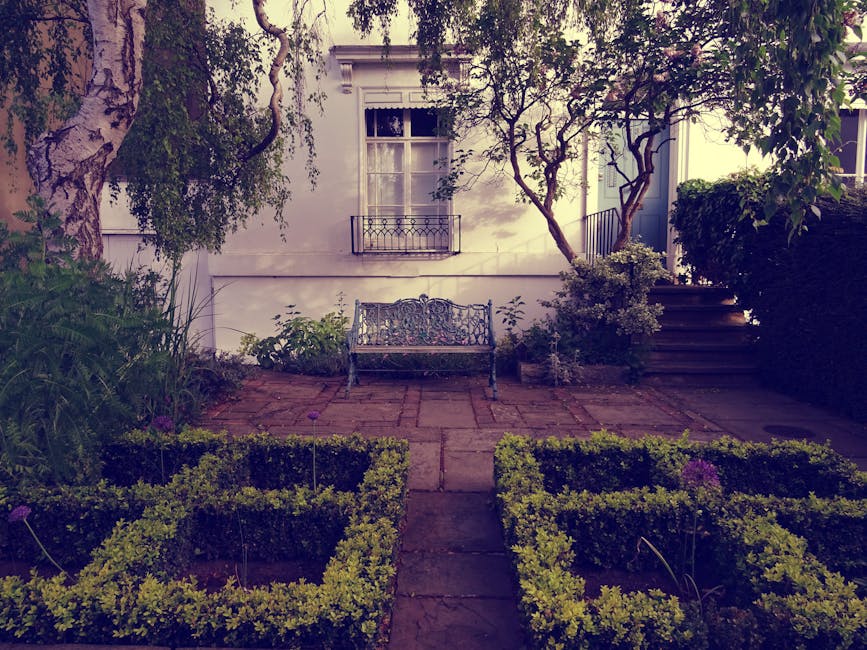
Best gardeners in Barnet for small front gardens
If you have a compact front garden in Barnet, you already know the truth: small spaces can be fussier than big ones. One stray shrub, one overgrown hedge, or a lawn that's gone patchy, and the whole front of the house can look tired. The good news? The best gardeners in Barnet for small front gardens understand that tiny plots need a different approach. Not more work, necessarily. Just smarter work.
This guide breaks down what to look for, how front garden care works in practice, and what will genuinely make a modest space look neat, welcoming, and easy to maintain. You'll find useful steps, comparison points, common mistakes, and a realistic checklist you can use before hiring anyone. No fluff. Just the stuff that helps you make a better decision.
For a fuller look at the service range behind local garden care, you can also explore the services overview and the broader garden maintenance service options.
Table of Contents
- Why Best gardeners in Barnet for small front gardens Matters
- How Best gardeners in Barnet for small front gardens Works
- Key Benefits and Practical Advantages
- Who This Is For and When It Makes Sense
- Step-by-Step Guidance
- Expert Tips for Better Results
- Common Mistakes to Avoid
- Tools, Resources and Recommendations
- Law, Compliance, Standards, or Best Practice
- Options, Methods, or Comparison Table
- Case Study or Real-World Example
- Practical Checklist
- Conclusion
- Frequently Asked Questions
Why Best gardeners in Barnet for small front gardens Matters
Small front gardens do a lot of heavy lifting. They're the first thing you see when you come home, and the first thing visitors notice. They also shape kerb appeal, which matters if you're selling, renting, or simply trying to keep the house looking cared for. In Barnet, where homes range from terraced streets to suburban semis and compact town plots, front gardens are often tight on space and high on visual pressure.
That's why choosing the right gardener matters more than people think. A good gardener won't just "cut everything back." They'll notice proportion, access, sunlight, drainage, and whether a plant is helping the space or just stealing it. In a tiny front garden, one bad decision can make the area feel cramped. One good decision can make it feel twice as large. Funny how that works, really.
The best gardeners for these spaces know how to keep things simple. Think neat edges, restrained planting, manageable heights, and surfaces that look clean rather than cluttered. They also understand that the goal is usually not a show garden. It's a front garden that looks good on a wet Tuesday in February and still looks decent after a sunny spell in June.
And yes, that is harder than it sounds.
How Best gardeners in Barnet for small front gardens Works
Working on a small front garden is part garden care, part visual design, part practical problem-solving. The process usually starts with a quick look at what is already there: paving, turf, borders, hedges, planters, access paths, and any awkward corners that collect leaves or moss.
From there, a skilled gardener will usually do some combination of the following:
- Trim back anything that overwhelms the frontage
- Shape hedges and shrubs so they look intentional, not hacked back
- Cut or tidy lawn areas where relevant
- Clear weeds, litter, and built-up debris
- Refresh edges, borders, and planting lines
- Suggest lower-maintenance planting if the space needs it
- Remove bulky or tired growth that makes the front garden feel smaller
For many properties, the work is not a one-off flourish. It becomes a rhythm. Light regular maintenance is usually better than dramatic catch-up jobs every few months. That's especially true for small gardens where one week of growth can look like a lot.
If the space needs more than pruning and tidying, some clients also look at broader improvements such as landscaping, landscape gardening, or even modest structural changes like decking services for side or transition areas connected to the front.
Key Benefits and Practical Advantages
A well-managed small front garden gives you more than a tidy view. It changes how the whole home feels. That sounds a bit grand, but it's true.
- Better kerb appeal: A neat front garden lifts the whole frontage without needing major building work.
- Lower maintenance: Good planting choices and tidy structure reduce the weekly burden.
- More usable space: Space suddenly feels less cramped when plants are sized correctly.
- Cleaner access: Paths, doorways, and bins are easier to move around when the layout is sensible.
- Safer movement: Less overgrowth means better visibility and fewer trip hazards.
- Stronger first impression: Visitors, delivery drivers, and potential buyers all notice a well-kept frontage.
There's also a practical side people often miss: a tidy front garden makes the rest of maintenance easier. When hedges are kept under control and beds are not overfilled, routine jobs like sweeping, weeding, and clearing leaves take far less time. Tiny space, big payoff.
Expert summary: For small front gardens, the best outcome is usually not "more plants" but the right balance of structure, breathing room, and simple maintenance. Keep the design calm, the edges sharp, and the upkeep realistic.
Who This Is For and When It Makes Sense
This kind of garden care is ideal if your front garden is:
- Small, narrow, or awkwardly shaped
- Looking tired but not beyond saving
- Dominated by one or two shrubs that have grown too large
- Used mostly for visual appeal rather than heavy foot traffic
- Part of a property you want to present neatly all year
- Hard for you to maintain regularly because of time, mobility, or tools
It also makes sense if you're preparing to move home, hosting guests, or simply fed up with the sight of a front garden that has become a bit unruly. Let's face it, a tiny space can go from charming to chaotic fast.
Some homeowners only need a seasonal tidy. Others need a proper reset, especially after months of growth, bad weather, or a previous job that wasn't done with small spaces in mind. If the front garden has been neglected for a while, a more thorough garden clearance may be the best starting point before regular maintenance begins.
Step-by-Step Guidance
If you want the best result from a gardener in Barnet, it helps to think in stages. Small front gardens reward methodical work. Messy, rushed, overconfident work tends to show quickly. Very quickly.
- Assess the space honestly. Look at what is actually causing the clutter: overgrown shrubs, poor edging, weeds, dead plants, patchy grass, or too many different materials.
- Decide the main job. Is the garden mainly for visual impact, low maintenance, or both? This decision shapes everything else.
- Clear the visual noise. Remove dead growth, fallen debris, broken pots, and anything that makes the space feel crowded.
- Reduce anything oversized. Trim hedges, cut back dominant shrubs, and remove planting that is simply too big for the area.
- Re-establish clear lines. Straight borders, neat edging, and visible paths make small gardens feel ordered.
- Choose fewer, better plants. Compact, repeat planting usually works better than lots of mixed species in a tight space.
- Build a maintenance plan. Decide whether the garden needs fortnightly, monthly, or seasonal attention.
In practice, the best gardeners will often explain which jobs should happen first and which can wait. That order matters. You do not need to redesign a small garden before you know what the existing bones look like.
Expert Tips for Better Results
Here's the part that usually separates a decent gardener from the best gardeners in Barnet for small front gardens: judgement. Not just ability with tools, but judgment about what to leave alone.
1. Keep the height low where possible. Taller planting can work, but if every plant reaches up and out, the garden will feel pinched. In a small frontage, height should be deliberate, not accidental.
2. Repeat shapes and materials. Repetition helps a small space feel calm. One tidy hedge line is often better than three different types of border treatment. A bit boring? Maybe. But attractive. And easier to live with.
3. Use maintenance-friendly plants. Plants that stay compact and hold their shape save time later. That's often the difference between a garden that looks good for a week and one that looks good for months.
4. Don't overcrowd the entrance. Front paths and doorways should feel open. If you have to squeeze past planting, the layout has gone too far.
5. Think about the view from the street first. A small front garden is read in seconds. People see the overall composition before they notice details, so the broad shape must work.
6. Ask for a maintenance-minded finish. Some jobs look fine on day one but become awkward in four weeks. A proper gardener will think about the next visit, not just this one.
Hedge trimming and lawn mowing are often the most visible maintenance tasks, but in small gardens the edging and cleanup can be just as important. A crisp finish makes a surprisingly big difference.
Common Mistakes to Avoid
Small front gardens make people overcorrect. That's the tricky part. They look simple, so people assume they can be "fixed" in a quick burst. Then the space ends up looking bare, harsh, or oddly lopsided.
- Cutting back too hard: Heavy-handed pruning can leave a front garden looking blunt and unbalanced.
- Keeping too many different plants: Variety is nice, but too much variety makes small spaces feel busy.
- Ignoring access routes: Paths, steps, and doorway access should stay clear at all times.
- Choosing plants that outgrow the space: This is one of the most common issues, and a bit of a classic.
- Leaving maintenance too long: In a compact garden, small problems show quickly and stack up fast.
- Trying to make it look "full": Full is not the same as good. Sometimes a little breathing room is what makes the garden work.
There's also a subtle mistake people make with paving and borders: trying to pack in too many features. In a tiny front garden, every extra object competes for attention. It's a bit like wearing too many layers on a warm day. Technically possible, but not the vibe.
Tools, Resources and Recommendations
Good garden care in a small front garden relies on the right tools, but not a huge arsenal. Usually, less is more.
Useful tools and equipment often include:
- Hand shears for precise shaping
- Hedge trimmers for regular hedge maintenance
- Lightweight lawn equipment where turf is present
- Edging tools for clear borders and paths
- Leaf collectors or rakes for tidy seasonal cleanups
- Waste bags or bins for debris removal
If your front garden has awkward access or a lot of build-up, the service team may also need the right disposal approach. Some clients ask about sustainability, and that's sensible. The most responsible gardeners think carefully about waste handling and recycling, which you can see reflected in the site's recycling and sustainability information.
For planning and budgeting, it is also worth reviewing pricing and quotes so you know how a job is usually scoped. A clear quote helps avoid vague "we'll just see on the day" surprises. Nobody enjoys those.
Law, Compliance, Standards, or Best Practice
For most small front garden work, the main concern is not regulation-heavy work but safe, responsible, and neighbour-friendly practice. That said, professional gardeners should still work to sensible standards.
In the UK, best practice generally means:
- Working safely with tools and equipment
- Managing waste responsibly
- Avoiding damage to paths, walls, fences, and shared boundaries
- Being careful around trees, hedges, and any protected planting
- Respecting access, privacy, and neighbouring properties
If tree work is involved, especially anything more substantial than light trimming, the situation becomes more sensitive. For anything involving bigger limbs or removal, it is wise to ask questions and make sure the work is handled appropriately. A dedicated tree lopping and removal service is relevant where trees are creating safety or space issues.
It is also sensible to look for clear service terms, insurance, and safety information before hiring. You can review the site's insurance and safety details, along with the health and safety policy. That kind of transparency matters. It's not glamorous, but it's reassuring.
And if you ever need to understand how a company handles complaints or service expectations, those policy pages are worth checking too. A garden may be small; the standards shouldn't be.
Options, Methods, or Comparison Table
When you're deciding how to care for a small front garden, the main choice is usually between regular maintenance, a one-off tidy-up, or a fuller redesign. Each has its place.
| Approach | Best for | Typical outcome | Trade-off |
|---|---|---|---|
| Regular maintenance | Already tidy front gardens | Consistent, low-stress presentation | Needs ongoing visits |
| One-off tidy-up | Overgrown or neglected spaces | Fast visual improvement | Can slip back without follow-up |
| Light redesign | Awkward layouts and poor planting choices | Better structure and easier upkeep | Needs planning and budget |
| Full landscaping refresh | Spaces with drainage, layout, or access problems | More complete transformation | More involved and not always necessary |
For many Barnet homes, the best route is actually a mix: a proper tidy-up first, then regular garden maintenance to keep everything in check. That's usually the sweet spot. Not too much. Not too little.
If you're comparing options, the key question is simple: do you want the garden merely improved, or do you want it made easier to live with? Those are not always the same thing.
Case Study or Real-World Example
Picture a typical small front garden on a suburban Barnet street. A narrow path runs to the front door. There's a modest lawn, one hedge line near the boundary, and a couple of shrubs that used to look elegant but now spill into the walkway. Nothing dramatic, just a little too much of everything.
The first visit focuses on clearing the clutter: old leaves, broken stems, weeds along the edge, and all the scruffy bits that make the space feel smaller. Then the gardener reduces the hedge to a cleaner, flatter line and trims the shrubs back so they sit within the plot instead of leaning over it. The lawn is cut neatly, the edges are sharpened, and the whole front feels lighter.
The interesting bit? No major feature changed. The space just stopped fighting itself.
That kind of result is common in small gardens. You do not need a dramatic overhaul to get a proper lift. Often, the biggest improvement comes from restraint, timing, and a very ordinary but very effective tidy-up. Not exciting perhaps, but it works.
Practical Checklist
Use this checklist before booking a gardener or starting work on a small front garden:
- Is the main problem visual clutter, overgrowth, or poor layout?
- Do you want a one-off tidy-up or ongoing maintenance?
- Are paths, steps, and access points clear and safe?
- Are any shrubs or hedges too large for the available space?
- Do the plants suit a small frontage, or do they need replacing?
- Would light landscaping improve the structure of the area?
- Is waste removal included or clearly discussed?
- Have you checked insurance and safety information?
- Do you understand the quote and what is included?
- Will the finish still look good in a month, not just today?
If several of those answers are unclear, that's usually a sign to slow down and ask better questions before booking. No shame in that at all.
Conclusion
The best gardeners in Barnet for small front gardens are not necessarily the ones who do the most. They're the ones who understand proportion, restraint, and how to make a compact space feel calm and cared for. That means choosing the right plants, trimming with a light touch, keeping access clear, and thinking one step ahead about maintenance.
Whether your front garden needs a simple tidy-up, ongoing care, or a more considered redesign, the right approach can make the whole home feel sharper and more welcoming. Small spaces can be brilliant. They just need someone who respects their limits instead of battling them. To be fair, that's usually where the best results come from.
If you're comparing options or planning your next garden refresh, start with the practical details, ask about maintenance, and choose the approach that fits real life rather than an idealised version of it. That's the difference between a garden that looks good briefly and one that keeps looking good.
Get a free quote today and see how much you can save.
And if you want to learn more about the people behind the service, take a look at the about us page or get in touch through the contact us page when you're ready. A well-kept front garden has a quiet kind of charm, and honestly, that never really goes out of style.
Frequently Asked Questions
What makes a gardener right for a small front garden?
The best choice is someone who understands scale. Small front gardens need careful pruning, neat edging, and sensible planting rather than broad, heavy-handed work. Experience with compact spaces matters more than simply having general gardening skills.
How often should a small front garden be maintained?
That depends on the plants and the amount of growth, but many small front gardens benefit from regular light maintenance rather than infrequent major cutbacks. In practice, a little and often usually keeps the space looking better.
Is a one-off tidy-up enough for a small front garden?
Sometimes, yes. If the garden is mainly overgrown or cluttered, a one-off visit can make a big difference. If you want it to stay neat, though, ongoing maintenance is usually the smarter long-term choice.
Do small front gardens need landscaping?
Not always. Some only need pruning, mowing, and tidy borders. But if the layout feels awkward or the plants are simply wrong for the space, light landscaping can improve both appearance and practicality.
What should I ask before booking a gardener in Barnet?
Ask what is included, whether waste removal is part of the job, how they handle access, and whether they have clear insurance and safety practices. A good gardener should answer plainly. If anything sounds vague, it probably is.
Can a small front garden still look high-end?
Absolutely. In fact, small gardens often look more refined when they are kept simple and well structured. Clean lines, balanced planting, and regular upkeep can create a very polished result.
What are the most common mistakes in small front gardens?
Overcrowding, planting shrubs that grow too large, and cutting things back too aggressively are the big ones. Another common issue is forgetting that the front garden has to stay easy to walk through and easy to maintain.
How do I know if my front garden needs clearance first?
If there is lots of dead material, dense overgrowth, or hidden borders and paths, a clear-out may be needed before normal maintenance begins. A proper garden clearance can reset the space and make later work much easier.
Are hedge trimming and lawn mowing usually enough?
For some gardens, yes. Those two jobs cover a lot of the visible work. But the best results often come when trimming and mowing are combined with weeding, edging, and a tidy final finish.
What if my front garden has trees or larger shrubs?
That changes the job a bit. Larger woody growth needs careful handling, especially if it affects light, access, or safety. In those cases, it may be worth asking about dedicated tree work rather than treating it like ordinary pruning.
How can I keep a small front garden looking good between visits?
Keep surfaces clear, remove obvious weeds early, and avoid adding too many extras such as pots, ornaments, or mixed plant groups. Simplicity helps a small garden stay calm and tidy with less effort.
Where can I find more information about service standards and payments?
The most useful starting points are the site's payment and security page, pricing and quotes, and the policy pages covering safety and service expectations. Those details help you make a more informed decision.