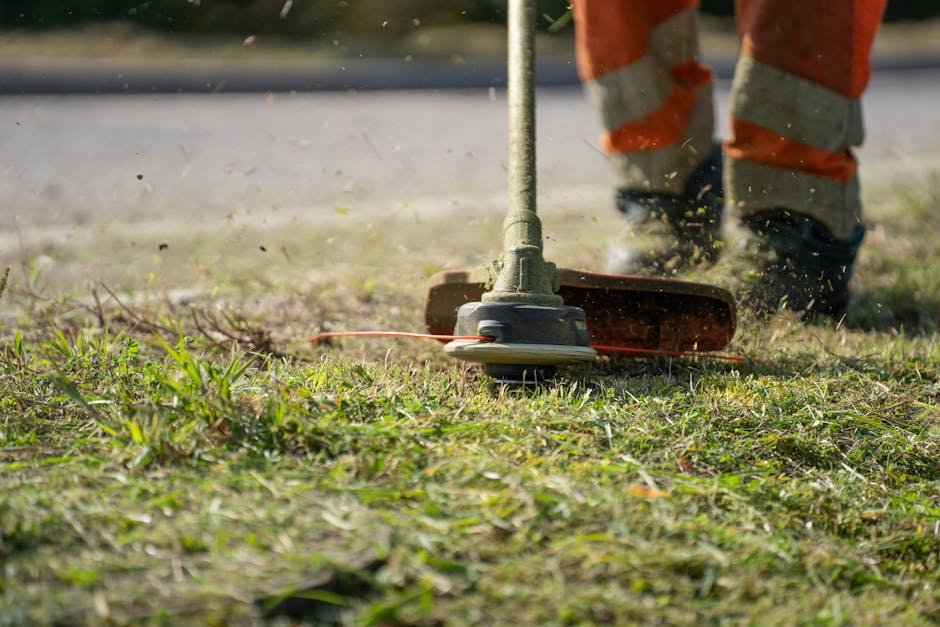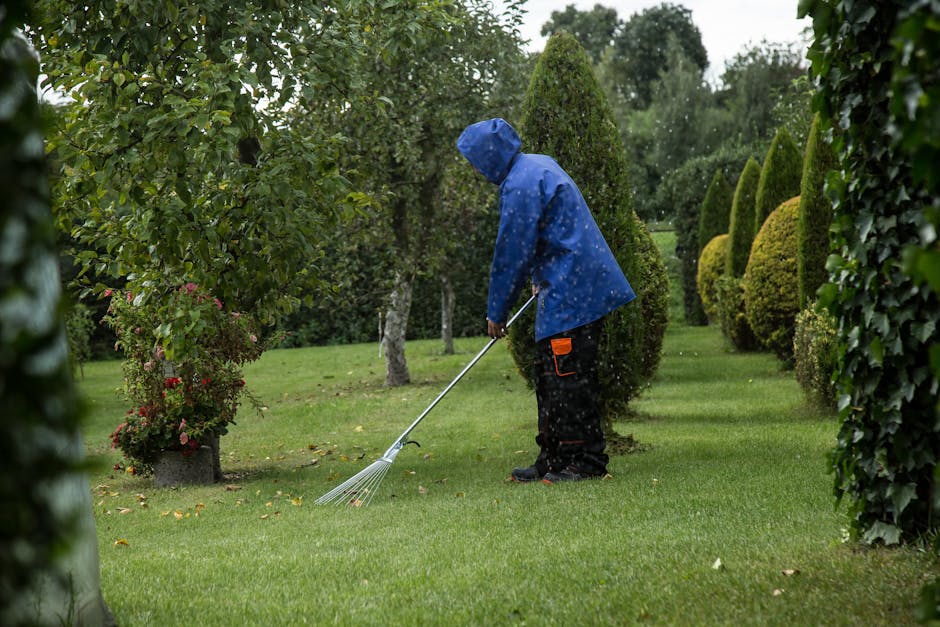
Same day gardeners Barnet emergency lawn care: fast help when your lawn cannot wait
If your lawn has gone from "a bit untidy" to "we need this sorted today", you are in the right place. Same day gardeners Barnet emergency lawn care is for those awkward, stressful moments when weather, pets, party prep, overgrowth, or sudden damage leave you needing immediate help. Maybe the grass is flattened after a storm. Maybe a rental property needs the garden presentable before a viewing. Or perhaps the lawn has been left waterlogged, patchy, and muddy, and you are worried it will get worse by the hour.
In Barnet, where gardens can range from compact town plots to larger suburban lawns, emergency lawn care is usually less about perfection and more about stabilising the situation quickly, safely, and properly. This guide explains what same-day lawn care actually involves, how it works, who needs it, what to avoid, and how to get the best possible result under time pressure. A bit of calm in the chaos, basically.
Why same day emergency lawn care matters
When a lawn is damaged, timing matters more than people often expect. Wet turf can be crushed into muddy tracks, long grass can start matting, and broken edges can spread if they are left alone. In a domestic garden, that might mean a weekend project turns into a much bigger repair job. In a shared property, it can affect first impressions almost instantly.
Same-day support is useful because it tackles the problem while the damage is still manageable. That might mean a quick mow, clearing debris, lifting flattened grass, edging paths, removing broken branches, or dealing with patches that need immediate attention. It is not always a full restoration. Sometimes the smartest thing is to stop the lawn getting worse today, then plan the longer fix later.
Let's face it: a lawn under stress can look worse than it really is. But if the root cause is ignored, the recovery takes longer. That is why emergency lawn care is not just about appearance. It is about protecting soil structure, grass health, drainage, and the practical use of the garden.
In Barnet, this can matter for family gardens, rental properties, hospitality spaces, and homes with limited time before visitors arrive. If the wider garden also needs attention, it can help to look at regular garden maintenance so the next emergency is less likely to happen in the first place.
How same day emergency lawn care works
Same-day lawn care is usually faster and more focused than a routine gardening visit. The aim is to assess the issue quickly, choose the right intervention, and leave the lawn safer, cleaner, and more presentable without making unnecessary changes. That last part matters. Rushing is one thing; rushing badly is another.
A typical same-day visit often follows a simple pattern:
- Initial call or enquiry. You explain the issue, the size of the lawn, access details, and any time pressure.
- Quick assessment. The gardener decides whether the lawn needs mowing, debris clearance, repair work, or a combination of tasks.
- Arrival and on-site review. Conditions are checked properly before any cutting, lifting, or raking begins.
- Immediate action. The priority jobs are tackled first, often starting with safety and access.
- Clean-down and tidy finish. Loose clippings, branches, and waste are removed, leaving the space usable.
- Follow-up advice. You may be told what to do over the next few days to help the lawn recover.
That process sounds simple, and mostly it is. But in real life, the judgement call is what makes it valuable. A lawn that is too wet may need minimal intervention rather than a heavy cut. A lawn with debris may need clearing before any mower comes near it. And a lawn with stressed turf can be made worse if someone insists on doing everything at once.
If the issue is part of a larger garden problem, it may also make sense to combine urgent lawn work with garden clearance so the site can be safely reset in one visit.
Key benefits and practical advantages
The obvious benefit is speed. You get help on the same day, which is useful when the clock is working against you. But there are other advantages that matter just as much.
- Prevents further damage. Fast action can stop grass from being crushed, blocked, or left exposed to worsening weather.
- Improves first impressions. A tidy lawn can change how a property feels at the doorway, on arrival, or in listing photographs.
- Reduces stress. When the garden looks out of control, even small improvements can make the whole property feel calmer.
- Saves time. You avoid trying to handle a bigger job with the wrong tools or not enough daylight.
- Supports safer access. Clearing slippery cuttings, branches, or uneven growth can make paths and lawn edges easier to use.
- Helps protect long-term lawn health. Good emergency work should deal with the cause as well as the symptom.
There is also a practical business benefit if the property is being viewed, let, sold, or used for customers. People notice lawns. Not always consciously, but they do. A neat lawn suggests care. A mangled one suggests delay. That sounds unfair, but you know how quickly a garden sends a message.
Expert summary: The best emergency lawn care does not try to "fix everything" in a single sprint. It aims to stabilise the lawn, remove immediate risks, improve appearance, and leave the ground in a better position for proper recovery.
Who this is for and when it makes sense
Same-day emergency lawn care is not only for dramatic situations. It is for anyone who needs the lawn dealt with now, not next week. The most common cases are probably more ordinary than people imagine.
- Homeowners dealing with storm damage, rapid growth, or a lawn that has become difficult to manage.
- Landlords and letting agents preparing a property for a viewing, check-in, or changeover.
- Families wanting the garden safe and usable before guests arrive or children play outside.
- Businesses with small external green spaces that must look tidy for visitors.
- Older residents or busy households who cannot safely tackle urgent garden work themselves.
- People returning from holiday to discover the garden has gone slightly feral. It happens. More often than people admit.
It makes sense when the problem is time-sensitive, physically awkward, or likely to worsen. It also makes sense if the lawn is not the only issue. For example, a lawn may need mowing after debris is removed, or a boundary may need attention before the grass can be cut properly. In those cases, related services such as lawn mowing or hedge trimming can be part of the same clean-up plan.
Sometimes the honest answer is that a lawn is beyond a simple same-day tidy and needs more substantial work. If the garden has multiple problem areas, a broader services overview can help you understand what should be prioritised first.
Step-by-step guidance
If you need emergency lawn care in Barnet, a clear plan helps you avoid panic decisions. Here is the practical sequence that usually works best.
1. Look at the lawn before you call
Check whether the issue is cosmetic, structural, or safety-related. Is the grass simply too long? Is there standing water? Are branches, stones, toys, or broken items scattered across the surface? Knowing this helps the gardener prepare the right tools.
2. Describe the problem plainly
Be specific. Say if the lawn is wet, sloped, uneven, full of debris, or already damaged. Mention access points, parking restrictions, pets, and any tight deadlines. Clear details save time and reduce the chance of a wasted visit.
3. Decide what must happen today
Not everything needs to be done at once. Sometimes the priority is to make the lawn safe and tidy. Sometimes it is to reduce height without stressing the turf. Sometimes it is to remove rubbish before any cutting can take place. A sensible plan beats a heroic one.
4. Clear access and fragile items
Move garden furniture, ornaments, dog toys, hoses, and anything else that could get in the way. If you leave it all there, the gardener may spend the first part of the appointment playing obstacle course. Nobody loves that.
5. Let the site conditions guide the method
Good emergency lawn care is adjusted to the weather and ground condition. Wet grass may need lighter treatment. Overgrown grass may need staged cutting. Compacted areas may need raking, lifting, or a conversation about recovery rather than an immediate heavy mow.
6. Finish with aftercare
Once the immediate issue is handled, the lawn may need a bit of breathing room. Avoid walking on very soft turf if you can help it. If the gardener suggests a follow-up visit, it is usually because the lawn will benefit from a second pass rather than being pushed too hard on day one.
Expert tips for better results
A few small choices can make a big difference to the outcome. These are the things that tend to separate a decent emergency visit from a really useful one.
- Do not mow a soaked lawn unless conditions genuinely allow it. Wet turf can tear, smear, and clog equipment.
- Lift debris first. Stones, sticks, and hidden objects can damage blades and scar the lawn.
- Ask for a realistic outcome. A same-day visit should improve the situation, not promise a miracle.
- Prioritise lawn edges. Crisp edges often make the whole garden feel better, even if the lawn itself still needs recovery time.
- Keep pets and children off the area afterwards. Freshly worked turf needs a bit of peace.
- Plan a second visit if needed. That is not failure; it is often the responsible choice.
One small tip people forget: check the weather forecast before deciding what "urgent" really means. If heavy rain is due later in the afternoon, a light tidy now may be smarter than forcing a full cut into poor conditions. Timing matters, and sometimes the dry window is shorter than you hoped. Typical British garden reality, really.
If the lawn damage came from wider neglect rather than a one-off incident, it may be worth thinking beyond emergency response. Regular upkeep, seasonal pruning, and occasional landscaping support can stop the same problem repeating. For bigger redesign or surface changes, you may also want to review landscaping or landscape gardening options.
Common mistakes to avoid
Emergency work goes wrong when people try to force a quick visual fix without thinking about the grass underneath. The lawn may look better for a day, then look worse for weeks. That is the trap.
- Mowing too short. Cutting too much at once can shock the lawn and leave it exposed.
- Working on waterlogged ground. This can leave ruts, clumps, and compacted soil.
- Ignoring hidden debris. A branch or stone can damage equipment and leave nasty marks.
- Trying to solve drainage with mowing. A neat cut will not fix a soggy lawn.
- Skipping the tidy-up. Clippings left in heavy piles can smother grass and create patchy spots.
- Expecting one visit to solve everything. Sometimes the lawn needs recovery time, not another aggressive treatment.
A quieter mistake is not asking enough questions. If you are paying for same-day support, it is completely reasonable to ask what will happen, what will be left for later, and whether a follow-up is advisable. That is not fussing. That is sensible.
Tools, resources and recommendations
The right tools depend on the problem, but emergency lawn care usually relies on a mix of cutting, clearing, edging, and tidying equipment. You do not need to know the technical details, but it helps to understand what a proper job may involve.
| Issue | Likely approach | Why it helps |
|---|---|---|
| Overgrown lawn | Controlled mowing or staged cutting | Reduces height without shocking the turf |
| Debris on the lawn | Manual clearance before cutting | Protects the grass and the equipment |
| Flattened grass after weather | Lifting, light raking, selective cutting | Improves airflow and recovery conditions |
| Messy edges | Edging and trimming | Creates a sharper finish quickly |
| Mixed garden waste | Collection and responsible disposal | Keeps the garden usable and tidy |
From a homeowner's point of view, the most useful things to have ready are simple: access to the lawn, a clear path for waste removal, and a quick description of the issue. If you are trying to choose a provider, it is also sensible to look for clear pricing information, a straightforward process, and proper safety awareness. The page on pricing and quotes can help set expectations before you book.
If sustainability matters to you, ask how clippings and green waste are handled. Responsible handling is part of good service, not an optional extra. You can also review the site's approach to recycling and sustainability if you want reassurance on how waste is managed.
Law, compliance, standards, or best practice
For most homeowners, emergency lawn care is not a heavily regulated activity in the way some trades are. Still, there are important best-practice points around safety, access, waste handling, and property care. If a gardener is working on your land, you want someone who treats the site responsibly and works in line with sensible UK standards of care.
That means using equipment properly, avoiding unnecessary damage, respecting access arrangements, and handling waste sensibly. It also means being mindful of trip hazards, slippery ground, broken glass, hidden metal, or anything else that might be in the grass. A quick lawn cut should never become a careless one.
Insurance is another plain-English issue worth checking. If someone is working in your garden, you want confidence that they understand liability and safety. A provider's insurance and safety information should give you a better sense of that. Likewise, you may want to understand how they handle complaints or service concerns, which is where a clear complaints procedure is useful.
If any work involves waste removal, pruning, or access near fences, trees, or structures, best practice becomes even more important. For broader site work, refer to the provider's health and safety policy and, where relevant, its tree lopping and removal service details.
Options, methods, or comparison table
Not every urgent lawn situation needs the same fix. Here is a simple comparison to help you decide what kind of same-day response is most appropriate.
| Method | Best for | Pros | Limits |
|---|---|---|---|
| Rapid tidy and mow | Long grass, presentation issues | Fast visual improvement | Not ideal if the lawn is wet or badly damaged |
| Clearance first, then mow | Debris, storm mess, unsafe surfaces | Protects lawn and tools | Takes longer than a simple cut |
| Light recovery treatment | Flattened or stressed turf | Less invasive, kinder to the lawn | May not look dramatic straight away |
| Full garden reset | Severely neglected outdoor space | Best for larger problems | May need more than one visit |
In practical terms, the "best" option is the one that matches the lawn's condition. A lot of people want the quickest fix, understandably. But the quickest fix is not always the safest one. If the lawn is being weighed down by clutter, for example, pairing the work with garden clearance is often the smarter route.
Case study or real-world example
Picture a typical Barnet garden on a damp Thursday afternoon. The lawn has gone slightly wild after a run of busy weeks, then a delivery, then a bit of rain. There are a few branches down from the wind, a muddy patch where people have been walking repeatedly, and a family gathering planned for the next day. Not a disaster, but not ideal either.
In a situation like that, same-day emergency lawn care might start with clearing debris and checking where the ground is soft. The grass could then be cut lightly rather than aggressively, so it looks tidy without being stressed. Edges are cleaned up, loose clippings are removed, and the area is left looking controlled rather than chaotic. It might still need a proper follow-up a week later, but the garden is usable again.
That is the real value of same-day work. Not perfection. Control. Breathing space. A bit of dignity restored to the garden, which sounds dramatic, but you know exactly what I mean.
Practical checklist
Before the gardener arrives, run through this quick checklist. It saves time and helps the visit go more smoothly.
- Explain what the lawn looks like right now and what caused the problem.
- Share any deadline, event, viewing, or access restriction.
- Move toys, furniture, hoses, and fragile items off the lawn.
- Keep pets secured and let family members know work is taking place.
- Point out wet areas, hidden hazards, or damaged patches.
- Ask whether the lawn should be cut, cleared, edged, or just stabilised.
- Confirm how clippings and waste will be removed.
- Ask what aftercare is recommended for the next 24 to 72 hours.
- Think about whether a follow-up visit or broader maintenance plan is needed.
Quick practical takeaway: the best same-day lawn care jobs start with clear communication, sensible expectations, and a willingness to let the lawn recover after the urgent work is done. That is often where the real improvement happens.
Conclusion
Same day gardeners Barnet emergency lawn care is about more than speed. It is about making a garden safe, tidy, and workable before the problem grows teeth. Whether you are dealing with storm debris, overgrowth, flattening, or a property that needs to look presentable fast, the right response is calm, practical, and focused on what matters most today.
If you take one thing from this guide, let it be this: an emergency lawn job should stabilise the lawn first, improve the appearance second, and protect future recovery all the way through. That approach gives you better results, fewer regrets, and a garden that feels like yours again rather than a problem to be avoided.
If you are comparing providers or planning an urgent visit, it can also help to learn more about the team behind the work on the about us page, or use the contact us page when you are ready to get things moving.
Get a free quote today and see how much you can save.
And if the lawn still feels a bit rough round the edges after the emergency has passed, that is okay. Gardens recover. Usually, they just need a steady hand and a little patience.
Frequently Asked Questions
What counts as emergency lawn care in Barnet?
Emergency lawn care usually means urgent action for a lawn that is damaged, unsafe, badly overgrown, or needs to look presentable very quickly. It is not always a major repair job. Sometimes it is simply about getting the garden back under control on the same day.
Can a gardener mow wet grass the same day?
Sometimes, but only if the ground conditions allow it. Wet grass can tear, clog equipment, and leave the lawn looking worse. A good gardener will judge whether a light cut, a tidy-up, or a delay is the safer choice.
How fast can same-day gardeners usually arrive?
That depends on workload, travel, and the size of the job. Same-day usually means the visit is arranged for later that day where possible, but clear communication helps a lot. If you give detailed access and condition information, planning is much easier.
Is emergency lawn care only for badly neglected gardens?
No. Plenty of urgent jobs are caused by weather, visitors, pets, seasonal growth, or a one-off event. Even a well-kept garden can suddenly need help. Life happens, and the grass does not always cooperate.
What should I do before the gardener arrives?
Move furniture, toys, hoses, ornaments, and anything fragile off the lawn. Keep pets away from the area and point out any hazards or soft ground. A clear space means the job can start properly, not with a scavenger hunt.
Will emergency lawn care fix patchy grass?
It may improve the appearance, but patchy grass usually needs a longer-term treatment plan. Emergency work is about immediate correction and protection. If there are bare areas or compacted soil, follow-up maintenance is usually the next sensible step.
Is same-day lawn care more expensive?
It can be, depending on urgency, scope, and timing. Some jobs are simple and quick, while others need more labour or specialist care. The fairest approach is to ask for a clear quote before work begins.
Can emergency lawn care include debris removal?
Yes, often it does. In fact, debris removal is frequently the first step because grass should not be cut over hidden sticks, stones, or other hazards. If the garden is cluttered, a clearance step may be needed first.
What if the lawn needs more than one visit?
That is very common. Same-day work often solves the immediate issue and sets the stage for recovery. A second visit may be needed for proper mowing, edging, feeding, or general restoration once the lawn has stabilised.
Do I need to be home for the visit?
Not always, but it helps if access is straightforward and instructions are clear. If there are gates, pets, parking issues, or hidden problem areas, being available at the start can save time and confusion.
Can emergency lawn care be combined with other garden work?
Yes, if it is practical and safe to do so. For example, lawn work may be combined with hedge trimming, clearance, or broader maintenance. That can be more efficient than booking everything separately, especially when the garden has several issues at once.
How do I know if the lawn needs care or a full garden reset?
If the lawn problem is just one part of a wider mess, a bigger intervention may be better. Overgrown beds, blocked paths, heavy waste, and awkward access often point to a broader reset. In that case, a provider's services overview can help you think through the options.